Introduction
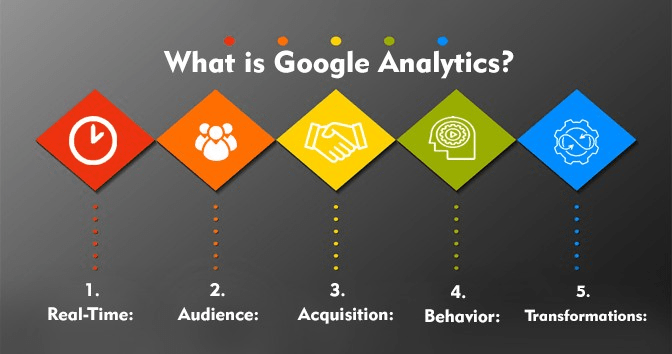
In the digital age, every click, view, and interaction matters. For businesses aiming to grow online, Google Analytics (GA) is one of the most powerful tools available. It helps track website performance, understand audience behavior, and make smarter marketing decisions. Whether you run an e-commerce store, a blog, or a service-based company, Google Analytics is your key to unlocking data-driven success.
Discover why Google Analytics is essential for every business. Track traffic, measure performance, and make data-driven decisions for online growth.
Understanding What Google Analytics Does
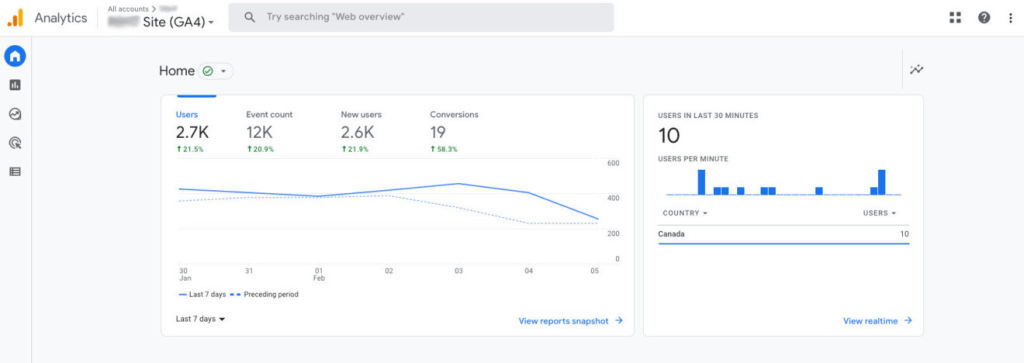
Google Analytics collects and analyzes data from your website visitors. It tells you how users found your site, which pages they visited, how long they stayed, and whether they completed key actions like filling out a form or making a purchase. This information gives you a clear picture of what’s working on your site and what needs improvement.
With GA, businesses can measure everything from traffic sources and conversion rates to user engagement and bounce rates—all in one place. This makes it easier to align marketing goals with real, measurable results.
Benefits of Using Google Analytics in Business
- Gain Deeper Audience Insights
One of the biggest advantages of Google Analytics is that it helps you truly understand your audience. You can track details such as age, gender, location, and device usage. These insights enable you to tailor your content, ads, and user experience to meet the exact needs of your target customers.
- Track Marketing Campaign Performance
GA lets you monitor how each marketing channel—be it organic search, paid ads, email, or social media—performs. You can see which campaigns bring in the most visitors or conversions, helping you spend your marketing budget wisely.
- Improve Website Performance
With data on user behavior, you can identify pages with high bounce rates or low engagement. This allows you to optimize content, design, and navigation to enhance user experience and keep visitors coming back.
- Measure Conversions and ROI
Ultimately, every business wants results. Google Analytics tracks conversions—such as sales, sign-ups, or downloads—so you know what’s driving success. These insights help measure return on investment (ROI) and guide future strategy.
Making Smarter, Data-Driven Decisions
Older days are gone. Google Analytics empowers businesses with real-time data that supports informed decision-making. You can spot trends, forecast growth, and adjust strategies quickly. When your business decisions are backed by accurate insights, you save time, money, and effort.
Google Analytics isn’t just a reporting tool—it’s a growth partner. By understanding who your visitors are, how they interact with your website, and what drives them to act, you can fine-tune every aspect of your online presence. For any business looking to stay competitive and customer-focused, using Google Analytics is not optional—it’s essential.
The Transition from Universal Analytics (UA) to Google Analytics 4 (GA4)
In July 2023, Google made a major shift by replacing Universal Analytics (UA) with Google Analytics 4 (GA4). This transition marked a new era in digital analytics—one focused on deeper user insights, privacy-first data collection, and cross-platform measurement. For businesses and marketers, understanding GA4 is essential to making the most of modern web analytics.
Why the Transition Happened
Universal Analytics was built for a web environment that revolved around desktop browsing and cookie-based tracking. However, today’s users switch seamlessly between mobile apps, websites, and devices, making UA’s model outdated.
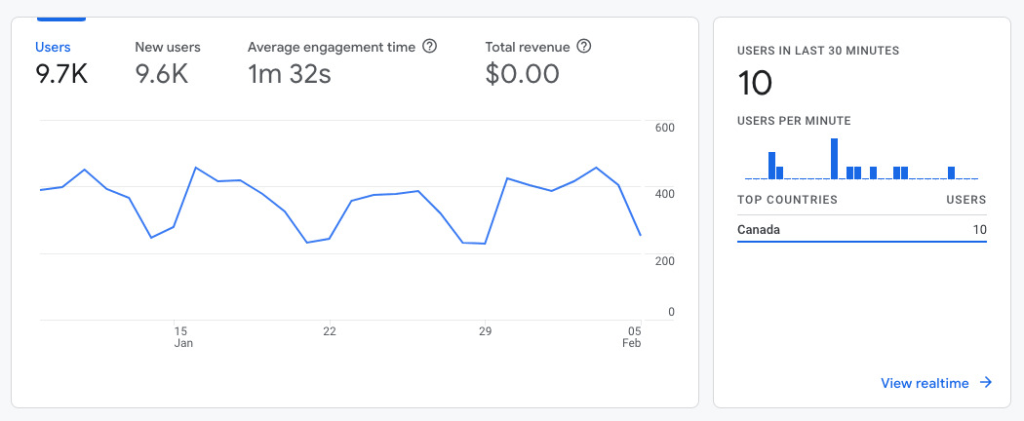
GA4 was introduced to solve this problem. It uses a user-centric, event-based model instead of UA’s session-based tracking. This means every interaction—like a click, scroll, or video view—is recorded as an individual event, giving a clearer and more flexible picture of user behavior.
Key Differences Between UA and GA4
- Event-Based Tracking
GA4 doesn’t just count pageviews—it measures every user interaction as an event. This gives businesses more control over what they track and how they interpret data.
- Cross-Platform Insights
Unlike UA, GA4 unifies data from both websites and mobile apps, offering a holistic view of the customer journey.
- Privacy and Compliance
With growing data protection laws like GDPR, GA4 is designed with privacy-first principles, reducing reliance on cookies and offering better consent controls.
- Predictive Analytics
GA4 leverages machine learning and AI to provide predictive insights—like potential revenue or purchase probability—helping businesses anticipate user behavior.
The Future of Digital Analytics
The move from UA to GA4 isn’t just a software update—it’s a shift in how businesses understand data. GA4 allows marketers to analyze the entire customer lifecycle, from acquisition to retention, across multiple platforms.
As digital behavior becomes more complex, GA4 empowers businesses with smarter, future-ready analytics to make data-driven decisions and enhance user experiences.
Importance of Google Analytics (GA)
A. Tracks Website Traffic
Monitors who visit your site, where they come from, and how they interact with your pages.
B. Understands User Behavior
Reveals what users like, how long they stay, and what makes them leave—helping improve user experience.
C. Measures Marketing Performance
Shows which campaigns, ads, or keywords drive the most traffic and conversions.
D. Improves SEO & Content Strategy
Identifies high-performing pages and keywords to boost search rankings.
E. Optimizes Conversion Rates
Tracks goals, sales, and form submissions to enhance ROI.
F. Supports Data-Driven Decisions
Replaces guesswork with real insights for smarter business strategies.
G. Monitors Trends & Growth
Helps businesses spot performance trends and forecast future opportunities.
How Is Google Analytics Changing the World Fast?
In today’s digital era, data is the new fuel that drives business growth—and Google Analytics (GA) is the engine powering it. From small startups to global enterprises, Google Analytics has transformed how organizations understand, measure, and grow their online presence. It’s not just a tracking tool; it’s a global movement toward smarter, data-driven decision-making.
- Empowering Businesses with Data
Before Google Analytics, businesses relied mostly on guesswork to understand what worked online. Now, GA provides real-time insights into user behavior, traffic sources, and conversions. Companies can see exactly how people find their websites, what content they engage with, and what drives them to take action.
This shift has revolutionized marketing strategies. Businesses no longer spend blindly on ads—they invest where data proves results. From local stores analyzing customer interests to multinational brands optimizing global campaigns, GA has democratized access to analytics for all.
- 2. Enhancing Customer Experience
Google Analytics goes beyond numbers—it helps businesses truly understand their customers. By studying metrics like bounce rate, session time, and user flow, companies can identify what users want and what frustrates them. This leads to personalized experiences, better website design, and stronger customer loyalty.
E-commerce brands, for instance, use GA to track shopping behaviors, reduce cart abandonment, and recommend products users are most likely to buy. This data-driven personalization is shaping the future of customer engagement worldwide.
- 3. Driving Innovation and Growth
With the launch of Google Analytics 4 (GA4), the platform is becoming even more powerful. Its AI-driven insights predict future trends, helping businesses make proactive decisions rather than reactive ones. This means marketers can now anticipate customer needs, not just analyze past behavior.
Moreover, GA4’s cross-platform tracking connects data from websites and mobile apps—providing a unified view of the customer journey in an increasingly connected world.
- 4. Building a Smarter, Data-Driven World
Google Analytics has changed how the world views information. It has taught businesses the power of measuring before acting and has turned analytics into an essential part of growth. In a world where every click counts, GA continues to bridge the gap between technology and human behavior—making digital progress measurable, meaningful, and unstoppable.
Conclusion
Google Analytics isn’t just a reporting tool—it’s a growth partner. By understanding who your visitors are, how they interact with your website, and what drives them to act, you can fine-tune every aspect of your online presence. For any business looking to stay competitive and customer-focused, using Google Analytics is not optional—it’s essential.
SEO Keywords:
Google Analytics 4, GA4 transition, Universal Analytics vs GA4, benefits of GA4, #event-based tracking, cross-platform analytics, Google Analytics, how Google Analytics is changing the world, benefits of Google Analytics, data-driven marketing, GA4 insights, and digital growth.
#Googleanalytics #GA #benefits #importanceofGA #worldtransformation #UAvsGA4 #businessgoal
 Nature's incredibility